Why Detailers Recommend Nano-Ceramic Coatings in Ceramic Coating Brandon
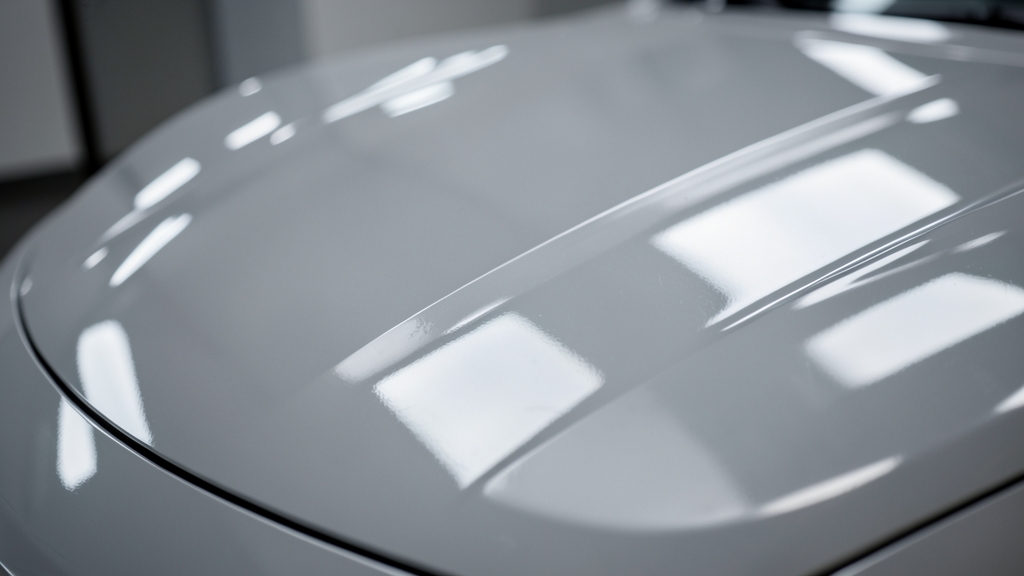
Nano-ceramic coatings have revolutionized automotive paint protection, and for good reason. Our team sees firsthand how they outperform traditional waxes and sealants—especially under Brandon’s relentless sun and humidity. Here’s why local detailers swear by them for long-term gloss and defense.
What Are Nano-Ceramic Coatings?
Nano-ceramic coatings are liquid polymers infused with silicon dioxide (SiO2) or titanium dioxide. When applied, they chemically bond with your vehicle’s clear coat, forming a semi-permanent, ultra-thin protective layer.
Unlike wax, which sits on the surface, these coatings fill microscopic pores in the paint. This creates a harder, more durable shield that resists UV rays, oxidation, and minor scratches.
We also apply ceramic coatings to wheels, brake calipers, and glass for comprehensive protection. Even headlight restoration benefits from a ceramic top coat to prevent yellowing.
How Nano-Ceramic Coatings Outperform Traditional Wax
Traditional carnauba wax lasts 1-3 months and offers minimal UV protection. Synthetic sealants push that to 4-6 months, but neither matches the longevity of nano-ceramic coatings, which can endure 2-5 years with proper care.
Ceramic coatings also deliver superior hydrophobic properties. Water beads and rolls off instantly, carrying dirt and grime with it—this means less frequent washes and easier maintenance.
| Property | Carnauba Wax | Synthetic Sealant | Nano-Ceramic Coating |
|---|---|---|---|
| Durability | 1-3 months | 4-6 months | 2-5 years |
| UV Protection | Low | Moderate | High |
| Hydrophobic Effect | Mild | Good | Excellent |
| Scratch Resistance | None | Minimal | Moderate (9H hardness) |
| Chemical Resistance | Poor | Fair | Strong |
Brandon’s Climate Demands Better Protection
Florida’s intense UV exposure, high humidity, and occasional salt air (especially near Tampa Bay) accelerate paint oxidation and fading. Nano-ceramic coatings act as a sacrificial layer, absorbing these harsh elements before they damage your clear coat.
In neighborhoods like Valrico or Bloomingdale, where vehicles often sit under direct sunlight, this protection is non-negotiable. Even in Riverview or Seffner, pollen and tree sap can etch paint—ceramic coatings make cleanup safer and easier.
The Science Behind the Shine
The SiO2 in ceramic coatings creates a glass-like matrix that reflects light more uniformly than untreated paint. This enhances depth and clarity, giving your vehicle that showroom gloss.
This isn’t just aesthetic—smoother surfaces reduce drag and improve fuel efficiency slightly. More importantly, they prevent contaminants like bird droppings or bug splatter from bonding to the paint.
Ceramic coatings require meticulous paint correction first. Swirl marks, scratches, or oxidation must be polished out—otherwise, the coating will lock in imperfections permanently.
Longevity: What to Expect in Brandon
With proper maintenance, a professional-grade nano-ceramic coating lasts 2-5 years. Factors like parking habits (garage vs. street), washing frequency, and exposure to industrial fallout (common near Tampa’s ports) can shorten or extend this lifespan.
We recommend annual inspections to assess the coating’s integrity. Reapplication isn’t always needed—sometimes, a light maintenance spray can restore hydrophobic properties.
Ceramic Coatings vs. Paint Protection Film (PPF)
PPF offers superior physical protection against rock chips and deep scratches, but it lacks the self-cleaning and gloss-enhancing properties of ceramic coatings. Many of our clients in Brandon combine both: PPF for high-impact areas (hood, bumper) and ceramic coating for the rest.
Ceramic coatings are also more cost-effective for full-vehicle coverage. PPF installation is labor-intensive and better suited for targeted protection.
Common Misconceptions Debunked
Myth: Ceramic coatings make your car scratch-proof. Reality: They resist minor scratches (thanks to 9H hardness) but won’t stop a key or shopping cart. Always pair with safe washing practices.
Myth: They eliminate the need for washing. Reality: While they reduce dirt adhesion, regular washing (with pH-neutral soap) is still essential to maintain the coating’s performance.
Brushes and harsh chemicals in automatic car washes can degrade ceramic coatings prematurely. Stick to hand washes or touchless systems.
How to Maintain Your Nano-Ceramic Coating
Proper care extends the life of your coating and keeps your vehicle looking its best.
- 1Wash Regularly
Use a pH-neutral car shampoo and microfiber wash mitts. Avoid abrasive sponges or dish soap, which can strip the coating.
- 2Dry Thoroughly
Water spots can leave mineral deposits. Use a clean microfiber towel or a blower to dry the surface completely.
- 3Use Ceramic-Boosting Products
Apply a SiO2-infused spray sealant every 3-6 months to refresh hydrophobic properties and extend durability.
- 4Avoid Harsh Chemicals
Gasoline, brake fluid, or strong degreasers can damage the coating. Clean spills immediately with a ceramic-safe cleaner.
- 5Park Smart
Minimize exposure to direct sunlight, bird droppings, and tree sap. Use a car cover if parking outside for extended periods.
Frequently Asked Questions
How long does it take to apply a nano-ceramic coating in Brandon?
A full-vehicle ceramic coating typically takes 1-3 days, depending on the vehicle’s size and the extent of paint correction needed. Smaller jobs, like wheels or headlights, can often be completed in a few hours. We always recommend scheduling a consultation to assess your vehicle’s needs.
Can a ceramic coating be applied over existing paint defects?
No. The coating will amplify, not hide, imperfections like swirl marks or scratches. Our team always performs paint correction and polishing before applying a ceramic coating to ensure a flawless finish.
Are nano-ceramic coatings worth the investment for Brandon’s weather?
Absolutely. The UV resistance alone justifies the cost, as it prevents paint fading and oxidation—common issues in Florida’s climate. The hydrophobic effect also makes it easier to remove contaminants like pollen or salt spray, which are prevalent in areas like Seffner or Riverview.
Will a ceramic coating prevent water spots?
While ceramic coatings reduce water spotting due to their hydrophobic nature, they don’t eliminate them entirely. Hard water (high in minerals) can still leave deposits if not washed off promptly. Using filtered water for final rinses helps.
Can I apply a ceramic coating myself, or should I hire a professional in Brandon?
DIY ceramic coating kits exist, but professional application ensures proper prep, even coverage, and maximum durability. Mistakes in application or prep can lead to peeling, streaking, or premature failure. For best results, trust a local expert.
Do ceramic coatings work on matte or satin paint finishes?
Yes, but they require a specialized matte-specific ceramic coating. Regular ceramic coatings can add unwanted gloss to matte or satin finishes. Always confirm the product is designed for your paint type.