Road Grime vs. Ceramic Coatings: What Brandon Drivers Need to Know in Ceramic Coating Brandon, FL
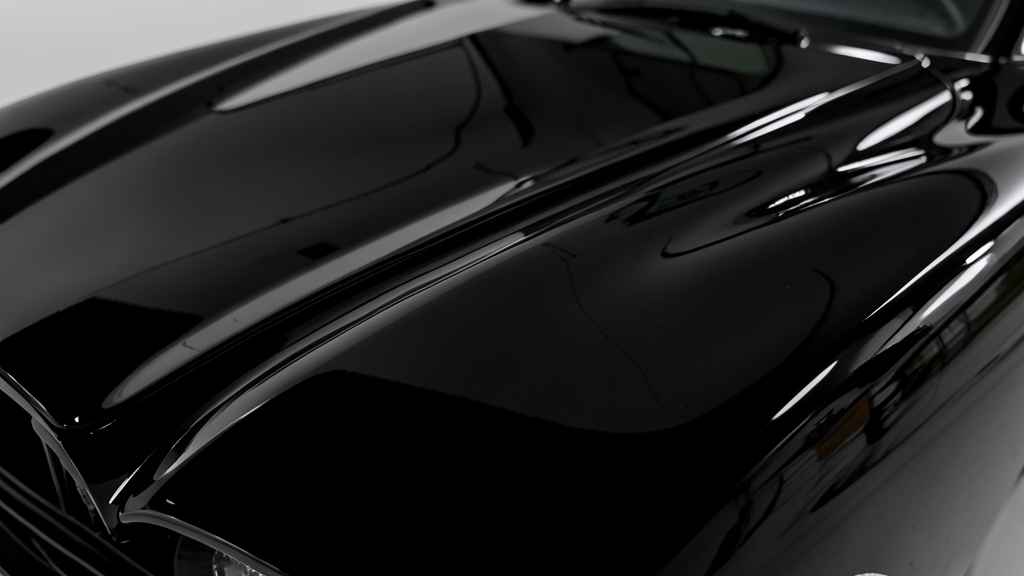
Brandon’s roads deliver a daily assault of tar, bugs, and asphalt spray that cling to paint like glue. We’ll break down how professional ceramic coatings create a self-cleaning shield that repels these contaminants and keeps your finish glossy for years, not weeks. No more scrubbing baked-on grime after a drive to Tampa or Riverview.
Why Road Grime Sticks to Untreated Paint
Fresh asphalt, bug hemoglobin, and rubber dust contain oils and resins that bond chemically with clear coat. Once baked by Florida’s sun, they turn into a cement-like layer that clay bars struggle to remove.
Even routine car washes can’t prevent micro-scratches from embedded grit. Over time, this degrades gloss and leaves swirl marks that require paint correction before any coating can be applied.
How Ceramic Coatings Create a Non-Stick Surface
Our ceramic coatings form a covalent bond with factory clear coat, creating a glass-like SiO2 layer. This hydrophobic surface measures 9H on the pencil hardness scale, making it nearly impossible for tar or bug splatter to adhere.
Water beads instantly, carrying loose contaminants away with every rinse. In Brandon’s humid summers, this means less water spotting and easier maintenance between washes.
Apply a ceramic coating before summer. The hydrophobic effect works best when contaminants are fresh—preventing them from baking into the paint under intense UV.
Ceramic Coating vs. Wax vs. Sealant: The Grime Resistance Test
Traditional carnauba wax lasts 4-8 weeks and offers minimal chemical resistance. Synthetic sealants last 6-12 months but still require frequent reapplication to maintain hydrophobic properties.
A professional ceramic coating lasts 2-5 years, withstanding pH extremes from bug removers and road salt. Unlike wax, it won’t melt in Brandon’s 90°F+ heat or wash away in daily summer thunderstorms.
| Product | Lifespan | Hydrophobic Strength | Chemical Resistance |
|---|---|---|---|
| Carnauba Wax | 4-8 weeks | Low | Poor |
| Synthetic Sealant | 6-12 months | Moderate | Fair |
| Professional Ceramic Coating | 2-5 years | High | Excellent |
| Paint Protection Film (PPF) | 5-10 years | Very High | Outstanding |
The Role of Paint Correction Before Coating
Ceramic coatings amplify existing imperfections. That’s why we always start with paint correction—removing swirls, oxidation, and water spots to ensure a mirror-finish base.
In Brandon’s climate, UV damage and pollen etching are common. A two-step polish restores clarity before the coating locks in that perfect gloss.
Store-bought ceramic sprays lack the durability and thickness of professional-grade coatings. Improper application can leave high spots and streaks that attract more grime.
Which Contaminants Ceramic Coatings Repel Best
Tar, bug splatter, and bird droppings slide off with a light rinse. The coating’s slickness reduces surface tension, so even sticky sap from Valrico’s oak trees washes away easier.
Road salt and industrial fallout from I-75 are less likely to etch paint. However, no coating is 100% invincible—prompt removal of harsh contaminants still extends longevity.
Maintenance Tips to Maximize Your Coating’s Life
Use pH-neutral car soap and a microfiber wash mitt to avoid scratching the hydrophobic layer. Automatic car washes with brushes can degrade the coating prematurely.
Reapply a ceramic boost spray every 6-12 months to refresh water-beading. For wheels and brake calipers, a dedicated ceramic coating resists brake dust and high-temperature discoloration.
Ceramic Coating Care Essentials
- Wash with pH-neutral soap weekly
- Dry with a clean microfiber towel to prevent water spots
- Use iron remover spray monthly for embedded contaminants
- Avoid parking under trees with heavy sap or pollen
Ceramic Coatings for Wheels, Glass, and Interiors
Wheels endure brake dust, road grime, and high heat. A ceramic wheel coating makes cleaning a breeze and prevents corrosion from Brandon’s salty air near the coast.
Ceramic window tint reduces UV fading and heat, while interior ceramic protection shields dash plastics from cracking. Even headlight restoration paired with a ceramic top coat prevents yellowing for years.
When to Consider Paint Protection Film (PPF) Instead
For areas prone to rock chips—like hoods and bumpers—PPF offers physical protection that ceramic coatings can’t. Many Brandon drivers combine both: PPF on high-impact zones and ceramic coating everywhere else.
PPF is self-healing and resistant to scratches, but it lacks the deep gloss and hydrophobic properties of a ceramic coating. For full-body defense, some opt for PPF with a ceramic coating on top.
How to Remove Baked-On Grime Without Damaging Your Coating
Even with a ceramic coating, some contaminants require extra care.
- 1Pre-Rinse with High Pressure
Use a pressure washer to loosen surface debris. Avoid direct streams on edges to prevent peeling.
- 2Apply pH-Balanced Pre-Wash
Spray a citrus-based degreaser on tar or bug spots. Let it dwell for 2-3 minutes but don’t let it dry.
- 3Use a Microfiber Applicator
Gently agitate the area with a lubricated microfiber cloth. Never use abrasive pads or brushes.
- 4Rinse and Inspect
Rinse thoroughly and check for remaining residue. For stubborn spots, repeat or use a dedicated iron remover.
- 5Reapply Ceramic Boost
After cleaning, apply a ceramic detail spray to restore hydrophobicity and fill any minor gaps in the coating.
Frequently Asked Questions
Will a ceramic coating prevent all scratches in Brandon?
Ceramic coatings resist light swirls from car washes but won’t stop rock chips or deep scratches. For maximum protection, pair it with PPF on high-impact areas. Always park away from shopping carts in Bloomingdale or Seffner lots.
How often should I reapply ceramic coating in Florida’s climate?
Professional coatings last 2-5 years, but Florida’s UV exposure and frequent rain can shorten this. Request a quote for an inspection—we’ll check for hydrophobic degradation and recommend a refresh if needed.
Can ceramic coating be applied over existing wax or sealant?
No. All wax, sealant, and oils must be fully removed via paint correction and a thorough decontamination wash. Skipping this step traps contaminants under the coating, reducing adhesion and longevity.
Does ceramic coating work on matte or satin paint finishes?
Yes, but it requires a specialized matte-specific ceramic coating. Regular coatings add gloss, which ruins the matte look. We stock products designed to preserve flat finishes while adding protection.
What’s the difference between ceramic coating and Ceramic Coating in Tampa vs. Brandon?
The product and process are identical, but local conditions differ. Tampa’s coastal salt air demands more frequent maintenance, while Brandon’s inland roads see heavier bug and tar buildup. We tailor prep and aftercare advice to your area.
Is ceramic coating worth it for fleet or commercial vehicles in Brandon?
Absolutely. Fleet vehicles face constant exposure to road grime, UV, and frequent washing. Ceramic coatings reduce downtime for detailing and protect resale value. Many local businesses in Riverview and Valrico use them for service vans and trucks.