How to Maximize Ceramic Coating Durability in Brandon’s Harsh Climate in Ceramic Coating Brandon
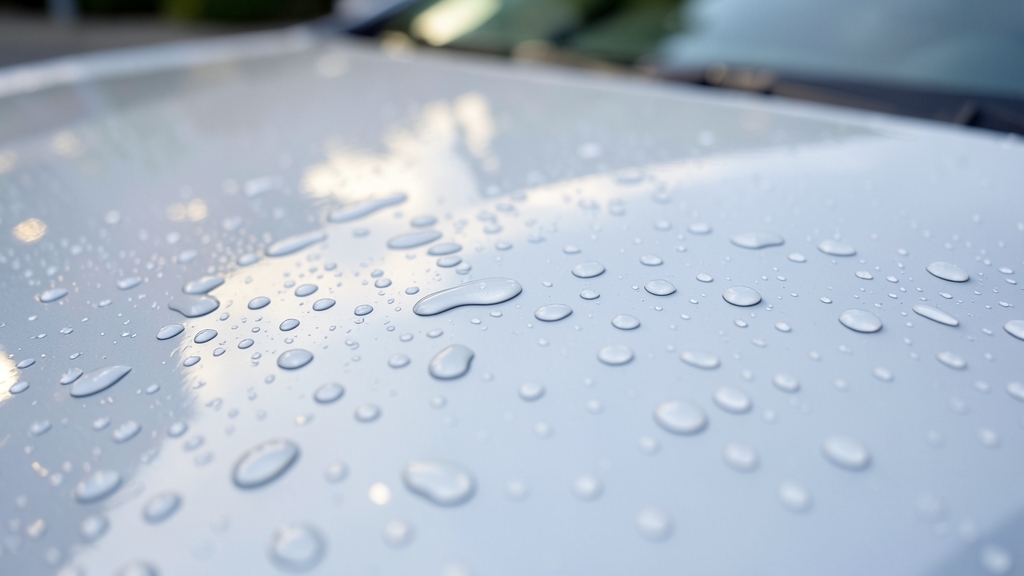
Brandon’s relentless sun, humidity, and sudden downpours can cut a ceramic coating’s lifespan in half if it’s not applied and maintained correctly. We’ve spent years refining our process to combat Florida’s worst—so your coating lasts, not just survives. Here’s how to get the most out of yours.
Why Brandon’s Climate Tests Ceramic Coatings Like Few Others
High UV exposure breaks down clear coats and weakens ceramic bonds faster than in cooler climates. Without proper prep, coatings here can fail in as little as 18 months.
Humidity accelerates water spotting and mineral deposits. If not removed quickly, these etch into the coating, creating permanent damage.
Thermal cycling—hot days, cool nights—causes paint and coating to expand and contract. Poor adhesion from rushed prep leads to micro-cracks over time.
Store-bought ceramic sprays lack the SiO2 and TiO2 concentration to withstand Florida’s extremes. Professional-grade coatings with 9H hardness and multi-layer application are non-negotiable here.
Prep Work: The 60% of Durability Most Shops Skip
Paint correction isn’t optional. Even minor swirls or oxidation prevent the coating from bonding at a molecular level. We use multi-stage polishing to achieve a mirror finish before application.
Decontamination is critical. Iron particles, tar, and industrial fallout embedded in the paint will continue to oxidize under the coating. A clay bar and iron remover are mandatory steps.
Alcohol wipe-down removes polishing oils and ensures a clean surface. Skipping this leaves residues that sabotage adhesion, especially in high-humidity areas like Valrico and Seffner.
Non-Negotiable Prep Steps
- Wash with pH-neutral soap to remove surface dirt
- Clay bar treatment to pull embedded contaminants
- Iron remover spray to dissolve brake dust and rail dust
- Multi-stage paint correction for a defect-free surface
- Final IPA wipe to eliminate all residues
Coating Selection: Not All Ceramic Coatings Are Built for Florida
Entry-level coatings (1-2 years) use lower SiO2 concentrations. They’ll fade fast under Brandon’s UV index, which often hits 11+ in summer.
Mid-tier (3-5 years) coatings add hydrophobic layers and better UV inhibitors. These are the sweet spot for most daily drivers in Riverview and Bloomingdale.
Professional-grade (5-10 years) coatings use hybrid nano-ceramic polymers with TiO2 for extreme UV resistance. Ideal for luxury or show cars, but require meticulous maintenance.
| Tier | Duration | UV Resistance | Hydrophobicity | Best For |
|---|---|---|---|---|
| Consumer-Grade | 1-2 years | Low | Moderate | Budget-conscious, short-term protection |
| Prosumer | 3-5 years | High | Strong | Daily drivers, Florida climate balance |
| Professional | 5-10 years | Extreme | Exceptional | Luxury vehicles, show cars, fleet vehicles |
Application: Where Most Brandon Coatings Fail Prematurely
Temperature and humidity control during application are critical. Applying in 80°F+ heat or 70%+ humidity (common in Tampa and Brandon) leads to uneven curing and reduced bonding.
Layering matters. Single-layer applications save time but sacrifice durability. We apply 2-3 layers for local vehicles, with 24 hours between coats to allow proper cross-linking.
Curing time isn’t just downtime—it’s when the coating achieves its full hardness. Parking under direct sun or driving in rain during the first 48 hours can compromise the finish.
Maintenance: The 30% That Keeps Your Coating Looking New
Wash every 2 weeks with pH-neutral soap. Harsh detergents strip hydrophobic properties, reducing beading and making the surface more prone to contaminants.
Use the two-bucket method and microfiber wash mitts to prevent swirls. Grit from a single bucket or sponge can scratch the coating, especially after a drive on I-75 or I-4.
Apply a ceramic booster spray every 3-6 months. These refresh the hydrophobic layer and fill minor gaps in the coating, extending its life by up to 20%.
Remove them immediately. Their acidic pH can etch through ceramic coatings in as little as 24 hours in Florida’s heat. Carry a quick detailer and microfiber towel in your trunk.
Common Mistakes We See in Brandon and How to Avoid Them
Skipping paint correction to save money. A coating amplifies imperfections—swirls, scratches, and oxidation will be locked in permanently.
Using automatic car washes. Brushes and harsh chemicals degrade coatings faster than hand washing. Touchless washes are a safer but still imperfect alternative.
Ignoring wheels and trim. Brake dust contains iron that eats through coatings. We recommend ceramic coating wheels and calipers, especially for performance cars in the Brandon area.
When to Consider Additional Protection Layers
For maximum defense against rock chips and road debris, pair ceramic coating with paint protection film (PPF). PPF absorbs impacts while the coating maintains hydrophobicity and gloss.
Ceramic window tint reduces UV and heat inside the cabin, complementing the exterior coating. It’s a popular add-on for clients in Seffner and Valrico who deal with long commutes.
Interior ceramic protection prevents UV damage to dashboards and leather. Florida’s sun fades and cracks untreated interiors faster than in northern states.
How to Wash Your Ceramic-Coated Car the Right Way
Proper washing is the easiest way to extend your coating’s life in Brandon’s harsh conditions.
- 1Pre-Rinse
Use a foam cannon or pressure washer to remove loose dirt. This prevents swirls during the wash process.
- 2Two-Bucket Method
Fill one bucket with soapy water and another with clean water for rinsing your mitt. Never dip a dirty mitt back into the soap bucket.
- 3Use pH-Neutral Soap
Avoid dish soap or household cleaners. These strip the coating’s hydrophobic layer and reduce its lifespan.
- 4Dry with a Microfiber Towel
Pat dry—don’t drag the towel. Use a second clean towel for wheels and lower panels to avoid cross-contamination.
- 5Apply a Ceramic Booster (Optional)
After drying, spray a ceramic detailer or booster to refresh hydrophobicity. This step is especially useful in high-pollution areas like Tampa.
Frequently Asked Questions
How long does a ceramic coating last in Brandon’s climate?
With proper prep and maintenance, a prosumer-grade coating lasts 3-5 years here. Professional-grade can push 7-10 years, but expect 20-30% shorter lifespans than in cooler, drier climates due to UV and humidity.
Can I apply a ceramic coating over existing paint protection film (PPF) in Ceramic Coating Brandon?
Yes, and it’s a smart combo. The coating adds hydrophobicity and UV resistance to PPF, which handles physical impacts. Just ensure the PPF is fully cured and clean before application.
Will a ceramic coating prevent water spots in Florida?
It reduces them significantly by repelling water, but not entirely. Hard water (common in Brandon) leaves mineral deposits. Regular washing and a ceramic booster spray minimize spotting.
Is paint correction necessary before ceramic coating in Brandon?
Absolutely. Florida’s sun oxidizes paint quickly, and even minor swirls or etching will be sealed under the coating. Correction ensures a flawless, long-lasting finish.
How often should I reapply a ceramic booster in Ceramic Coating Brandon?
Every 3-6 months, depending on exposure. Cars parked outside daily or driven frequently on highways (like I-75) benefit from boosters every 3 months to maintain peak performance.
Does ceramic coating protect against rock chips in Brandon?
No. Ceramic coatings resist scratches and UV damage but won’t stop rock chips. For that, pair it with paint protection film (PPF), especially for vehicles in high-traffic areas like Riverview or Bloomingdale.