How Paint Correction Affects Ceramic Coating Prices in Brandon in Ceramic Coating Brandon, FL
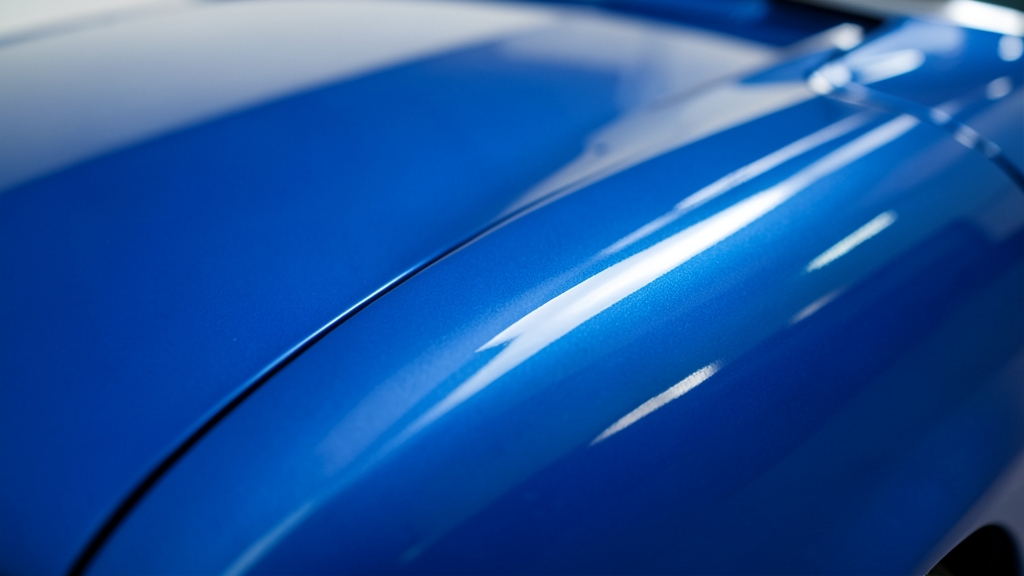
Paint correction isn’t just a preliminary step—it’s the foundation of a premium ceramic coating. In Brandon’s harsh sun and frequent rain, skipping proper prep can cut your coating’s lifespan in half. We’ll break down how correction levels directly influence your final cost and performance.
Why Paint Correction Is Non-Negotiable Before Ceramic Coating
Ceramic coatings bond at a microscopic level to your clear coat. If swirls, oxidation, or water spots remain, they’ll be sealed in permanently. That’s why we always start with a thorough paint inspection under LED lighting to map defects.
Brandon’s intense UV exposure accelerates paint degradation, making correction even more critical. A smooth, defect-free surface ensures the coating adheres uniformly, maximizing durability and hydrophobic properties.
Once a ceramic coating cures, trapped defects cannot be removed without stripping the coating. Correction must happen first—no exceptions.
Levels of Paint Correction and Their Impact on Cost
Not all paint correction is equal. A single-stage polish may remove light swirls but won’t touch deep scratches or heavy oxidation. Multi-stage correction, which includes compounding and refining, restores clarity but adds labor time—and cost.
In Brandon, vehicles often need at least a two-stage correction due to sun damage and road debris. The more stages required, the higher the prep cost, but the payoff is a mirror-like finish that makes the ceramic coating pop.
| Correction Level | Defects Addressed | Labor Time | Cost Impact on Coating |
|---|---|---|---|
| Single-Stage Polish | Light swirls, minor marring | 2–4 hours | Low |
| Two-Stage (Compound + Polish) | Moderate swirls, oxidation, light scratches | 4–8 hours | Moderate |
| Multi-Stage (Heavy Cut + Refining) | Deep scratches, heavy oxidation, water spots | 8–16+ hours | High |
How Paint Condition Affects Ceramic Coating Longevity
A poorly prepped surface can reduce a ceramic coating’s lifespan by 30–50%. In Brandon’s humid climate, moisture trapped under the coating can lead to premature failure or peeling. Proper decontamination—clay bar, iron remover, and IPA wipe-down—is mandatory.
Thin or compromised clear coat may require extra care. We measure paint thickness with a mil gauge to avoid over-polishing, which could necessitate repainting before coating.
Local Factors That Drive Correction Needs in Brandon
Brandon’s mix of highway driving (I-75, I-4) and rural roads kicks up abrasive dust and tar. These contaminants embed in paint, requiring aggressive decontamination before correction. Without this, the coating won’t bond properly.
The area’s frequent afternoon storms leave mineral deposits from hard water. If not removed, these etch into the clear coat, creating pits that correction must address. This adds time—and cost—to the prep process.
Nearby areas like Valrico and Riverview see similar conditions. Whether it’s Ceramic Coating in Tampa or Ceramic Coating in Bloomingdale, the prep standards don’t change: thoroughness is key.
A detailed paint assessment upfront can reveal whether a full correction is needed or if spot-repair is sufficient. This prevents overpaying for unnecessary work.
Paint Correction vs. Paint Protection Film (PPF) Prep
PPF installation also requires paint correction, but the standards differ. PPF can hide minor imperfections, while ceramic coatings amplify them. For vehicles getting both, we correct to a higher standard to ensure the PPF edges blend seamlessly.
In Brandon, many opt for PPF on high-impact areas (hood, bumper) and ceramic coating elsewhere. This hybrid approach balances cost and protection but demands meticulous prep for both systems.
What to Expect During the Correction Process
We start with a foam cannon wash to remove surface grime, followed by a clay bar treatment to pull embedded contaminants. Iron remover spray dissolves brake dust particles that washing can’t touch.
Next, we use dual-action polishers with progressively finer compounds. For severe defects, we may wet-sand by hand. Each step is followed by a thorough inspection under halogen and LED lights to ensure no defects remain.
Essential Paint Correction Steps Before Coating
- Deep clean with pH-neutral shampoo and foam cannon
- Clay bar decontamination
- Iron particle removal with dedicated spray
- Paint thickness measurement (mil gauge)
- Multi-stage machine polishing
- Final IPA wipe-down to remove oils/residue
Ceramic Coating Cost Factors Beyond Paint Correction
While correction is a major cost driver, other variables include the coating’s brand and nano-ceramic concentration. Professional-grade coatings (like those we use) offer 5–7 years of protection but require precise application in a dust-free environment.
Vehicle size and complexity matter too. A full-size truck or SUV with intricate body lines takes longer to coat than a sedan. Add-ons like ceramic window tint or wheel coating also increase the overall investment.
For Ceramic Coating in Seffner or Ceramic Coating in Valrico, the same principles apply. Request a quote to account for your vehicle’s specific needs.
How to Maintain Your Ceramic Coating After Paint Correction
Proper aftercare extends your coating’s life and preserves the correction’s results.
- 1Wait for Full Cure
Avoid washing or exposing the vehicle to rain for 24–48 hours after application. This allows the coating to fully bond to the paint.
- 2Use pH-Neutral Car Soap
Harsh detergents can degrade the coating over time. Stick to pH-neutral shampoos designed for ceramic-coated surfaces.
- 3Dry with a Microfiber Towel
Prevent water spots by drying immediately after washing. Grit guards in your wash bucket also protect against swirls.
- 4Apply a Ceramic Boost Spray
Every 3–6 months, use a SiO2-based spray to refresh hydrophobic properties and enhance gloss.
- 5Avoid Automatic Car Washes
Brush-based car washes can introduce swirls. Opt for touchless or hand-wash only to protect your coating and corrected paint.
Frequently Asked Questions
Does every vehicle need paint correction before ceramic coating in Brandon?
Almost always, yes. Even new cars often have dealer-installed swirls or rail dust. In Brandon’s climate, existing paint defects will worsen under the coating. A quick inspection can confirm if light polishing or full correction is needed.
How much does paint correction add to the cost of ceramic coating?
It varies based on the correction level required. Single-stage polishing adds modestly to the total, while multi-stage correction for heavy defects can significantly increase labor costs. The exact impact depends on your vehicle’s paint condition—request a quote for precision.
Can I skip paint correction if my car’s paint looks fine?
Not recommended. Many defects—like light swirls or oxidation—aren’t visible in direct sunlight but show up under shop lighting. Sealing them in will make them permanent and reduce the coating’s effectiveness.
Is paint correction included in ceramic coating packages in Brandon?
Some packages include basic polishing, but comprehensive correction is often a separate service. We tailor each job to the vehicle’s needs, whether it’s Ceramic Coating in Riverview or Ceramic Coating in Tampa.
How long does paint correction take before ceramic coating?
A single-stage polish may take 2–4 hours, while multi-stage correction can span a full day or more. Complex jobs with heavy defects or large vehicles (like SUVs) may require 16+ hours of prep work before coating begins.
Will ceramic coating hide paint imperfections?
No—it amplifies them. Ceramic coatings enhance gloss and depth, making swirls, scratches, and holograms more noticeable. That’s why correction is essential for a flawless finish.