How Florida’s Heat Affects Ceramic Coatings and Why Brandon Drivers Need Protection in Ceramic Coating Brandon, FL
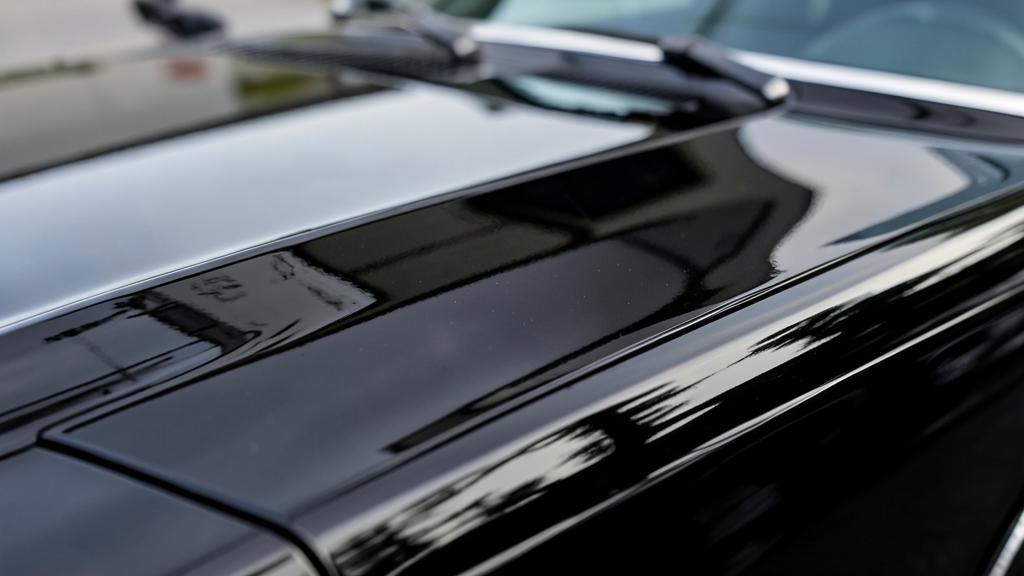
Florida’s relentless sun doesn’t just fade your car’s paint—it breaks down the clear coat at a molecular level. We’ve seen firsthand how Brandon’s heat, humidity, and salt air accelerate oxidation, making ceramic coatings a non-negotiable for long-term protection. Without it, your vehicle’s finish is on borrowed time.
Why Florida’s Climate is the Worst for Your Car’s Paint
The combination of UV intensity, high humidity, and salt-laden air in Brandon creates a perfect storm for paint degradation. Clear coat begins to oxidize faster than in drier climates, leading to dullness and micro-cracks that trap contaminants.
Add in sudden afternoon storms, and water spots become etched into the surface. Even daily driving exposes your paint to tree sap, bird droppings, and road grime—all of which bond aggressively in the heat.
How Ceramic Coatings Shield Against Heat and UV Damage
Ceramic coatings form a nano-ceramic layer that bonds with your paint at a molecular level. This barrier reflects UV rays, reducing oxidation and preventing the clear coat from breaking down prematurely.
The 9H hardness rating means the coating resists scratches from sand, debris, and even minor abrasions. More importantly, its hydrophobic properties cause water, dirt, and contaminants to bead and roll off, minimizing staining.
For maximum defense in Brandon’s harsh conditions, combine a ceramic coating with paint protection film. PPF absorbs impacts from road debris, while the coating adds gloss and chemical resistance.
Ceramic Coatings vs. Traditional Wax or Sealants in Brandon’s Heat
Wax and synthetic sealants offer temporary protection, but they degrade in weeks under Florida’s sun. Ceramic coatings, once cured, last years—not months—because they don’t break down from UV exposure or heat cycling.
| Product | Durability | UV Resistance | Hydrophobic? | Heat Stability |
|---|---|---|---|---|
| Carnauba Wax | 4-8 weeks | Low | Yes (short-term) | Poor |
| Synthetic Sealant | 4-6 months | Moderate | Yes | Fair |
| Ceramic Coating | 2-5+ years | High | Yes (long-term) | Excellent |
The Role of Paint Correction Before Coating Application
A ceramic coating amplifies your paint’s condition—flaws included. That’s why we always start with paint correction to remove swirl marks, oxidation, and water spots. Skipping this step locks in imperfections under the coating.
Brandon’s roads are notorious for fine scratches from sand and limestone dust. Professional polishing restores clarity and depth, ensuring the coating bonds to a pristine surface for maximum gloss and longevity.
How Humidity and Salt Air Impact Coating Performance
Brandon’s proximity to Tampa Bay means salt air isn’t just a coastal issue. Salt crystals accelerate corrosion on untreated surfaces and can even degrade poorly applied coatings over time.
High humidity slows the curing process, which is why we control the environment during application. Premature exposure to moisture can cause high spots or uneven bonding, compromising durability.
Applying a ceramic coating in a garage without climate control in Brandon’s humid summers often leads to streaking or failure. Professional facilities use dehumidifiers to ensure proper curing.
Beyond the Paint: Protecting Wheels, Glass, and Interiors
Florida’s heat doesn’t just attack your paint. Brake dust fuses to wheels, road film clouds headlights, and UV rays crack dashboards. We offer specialized ceramic coatings for wheels, calipers, and glass to repel brake dust and improve visibility.
Interior ceramic protection prevents leather and vinyl from fading and cracking, while headlight restoration and coating reverse yellowing and improve nighttime safety—critical for Brandon’s rural roads.
Maintaining Your Ceramic Coating in Brandon’s Conditions
Even the best coating needs proper care. Wash your vehicle weekly with pH-neutral soap to prevent contaminant buildup. Avoid automatic car washes with harsh brushes—they can introduce micro-scratches.
Every 6-12 months, a maintenance spray or booster can refresh the hydrophobic properties. For heavy contamination like tar or bug splatter, use a dedicated ceramic-safe cleaner to avoid damaging the layer.
Ceramic Coating Maintenance Essentials
- Wash with pH-neutral automotive shampoo every 1-2 weeks
- Use a microfiber wash mitt and separate buckets for wheels/paint
- Dry with a clean microfiber towel to prevent water spotting
- Apply a ceramic booster spray every 6-12 months
- Avoid wax or sealants—they can leave residues that interfere with the coating
How to Prepare Your Car for a Ceramic Coating in Brandon
Proper prep is 90% of a coating’s success—here’s what we do to ensure a flawless finish.
- 1Deep Clean and Decontaminate
We start with a thorough wash using iron-removing and clay bar treatments to strip embedded contaminants from the paint. This step is critical in Brandon, where road grime and industrial fallout are common.
- 2Paint Correction
Using dual-action polishers and fine abrasives, we remove swirl marks, oxidation, and light scratches. This restores the paint’s clarity before the coating is applied.
- 3Surface Prep and IPA Wipe-Down
After polishing, we perform a final wipe-down with isopropyl alcohol to remove any oils or residues. A perfectly clean surface ensures the coating bonds at a molecular level.
- 4Coating Application in Controlled Environment
We apply the ceramic coating in a climate-controlled bay to avoid dust, humidity, or temperature fluctuations. Each panel is coated methodically, with precise layering for even coverage.
- 5Curing and Final Inspection
The vehicle cures indoors for 24-48 hours. We then inspect for high spots or uneven areas, ensuring a glass-like finish before delivery.
Frequently Asked Questions
How long does a ceramic coating last in Brandon’s climate?
With proper care, a professional-grade ceramic coating lasts 2-5 years in Florida’s heat. The lifespan depends on coating quality, prep work, and maintenance. Harsh conditions like salt air or frequent sun exposure may shorten it slightly, but it still far outlasts wax or sealants.
Can a ceramic coating prevent water spots in Brandon’s hard water?
Ceramic coatings drastically reduce water spotting due to their hydrophobic and self-cleaning properties. However, mineral-heavy water can still leave deposits if not rinsed off promptly. We recommend drying your car immediately after rain or washes to prevent etching.
Is paint correction necessary before a ceramic coating in Ceramic Coating Brandon?
Absolutely. Paint correction removes imperfections that would otherwise be permanently sealed under the coating. In Brandon, where oxidation and swirl marks are common, skipping this step results in a lackluster finish and reduced longevity.
Will a ceramic coating protect my car from hail or rock chips?
Ceramic coatings add a hard, protective layer but are not a substitute for paint protection film (PPF). For hail or rock chip protection, we recommend PPF on high-impact areas like the hood, bumper, and fenders, with a ceramic coating applied over the entire vehicle for gloss and UV resistance.
Do ceramic coatings work on older cars with faded paint?
Yes, but the paint must be restored first. We often perform heavy paint correction or even a light polish on older vehicles in Brandon to revive the color and clarity before applying the coating. The coating will then lock in the refreshed appearance and protect it from further damage.
How does the cost of ceramic coating compare to waxing over time?
While the upfront cost of a ceramic coating is higher, it eliminates the need for frequent waxing or sealant applications. Over 2-5 years, the cost evens out—and you gain superior protection, easier maintenance, and a showroom shine that wax simply can’t match in Florida’s climate.