Why Skipping Paint Correction Before Ceramic Coating in Brandon Costs You More in Ceramic Coating Brandon, FL
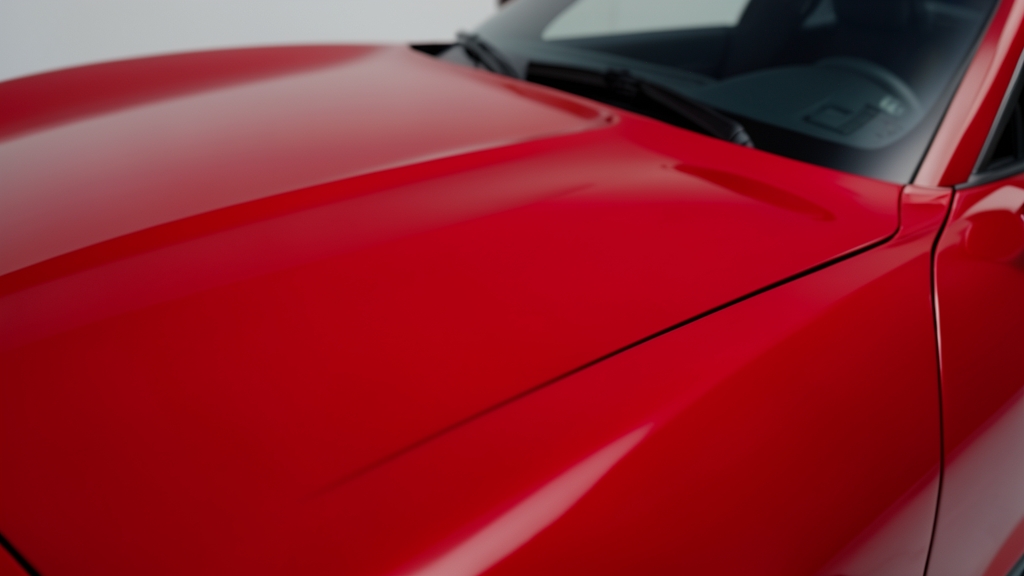
Ceramic coating is a game-changer for paint protection, but it’s only as good as the surface it’s applied to. Skipping paint correction in Brandon’s harsh sun and humidity means locking in defects under a glossy, long-term shield. We see it firsthand: swirls, oxidation, and etching don’t disappear—they get preserved.
What Paint Correction Fixes Before Ceramic Coating
Paint correction removes imperfections like swirl marks, light scratches, and oxidation that dull your finish. These flaws scatter light, killing depth and clarity even after a ceramic coating is applied.
In Brandon’s intense UV and frequent rain, uncorrected paint accelerates degradation. Water spots and etching from mineral deposits become permanent under a coating if not addressed first.
Professional correction restores the clear coat to a near-flawless state, ensuring the ceramic coating bonds uniformly. Without it, you’re sealing in damage, not protecting against it.
How Paint Defects Sabotage Ceramic Coating Performance
Ceramic coatings rely on a smooth, clean surface for maximum adhesion and hydrophobic performance. Rough or contaminated paint disrupts this bond, reducing durability and water-shedding ability.
Swirls and scratches create micro-edges that trap dirt and water, defeating the self-cleaning benefits of nano-ceramic technology. In Brandon’s dusty dry season, this means more frequent washes and less protection.
Oxidation weakens the clear coat, making it more susceptible to UV damage. A coating over oxidized paint won’t stop the underlying layer from continuing to break down.
Once a ceramic coating cures, defects beneath it are locked in for years. Correction after application isn’t possible without removing the coating entirely.
Paint Correction vs. Ceramic Coating: What Each Actually Does
Paint correction is a restorative process. It uses compounds and polishes to remove a micron-thin layer of clear coat, eliminating surface imperfections and restoring gloss.
Ceramic coating is a protective process. It adds a nano-layer of hydrophobic, UV-resistant material that shields corrected paint from future damage.
Think of correction as prepping the canvas; the coating is the protective topcoat. Skipping prep means your topcoat won’t perform as intended.
| Aspect | Paint Correction | Ceramic Coating |
|---|---|---|
| Purpose | Restores paint clarity and removes defects | Protects paint with a durable, hydrophobic layer |
| Process | Mechanical polishing with compounds/pads | Liquid application that chemically bonds to paint |
| Longevity | Not permanent; requires maintenance | Lasts 2–5+ years with proper care |
| Effect on Appearance | Enhances gloss and depth immediately | Amplifies gloss and adds hydrophobic properties |
| UV Protection | None | High resistance to UV fading and oxidation |
Brandon’s Climate: Why Correction Matters More Here
Florida’s sun is relentless, and Brandon’s mix of humidity and heat accelerates paint oxidation. Uncorrected surfaces degrade faster, even under a ceramic coating.
Frequent rain and sprinkler water in neighborhoods like Bloomingdale or Valrico leave mineral deposits. These etch into paint, and without correction, they become permanent under a coating.
Dust from construction in Riverview or pollen in Seffner scratches surfaces over time. Correction removes these micro-marred layers so the coating can adhere to a truly clean slate.
The Hidden Costs of Skipping Paint Correction
Short-term savings vanish when you factor in reduced coating lifespan. Poor adhesion from uncorrected paint can cut durability by 30–50%, meaning you’ll reapply sooner.
A flawed finish under a coating looks worse over time. Swirls and holograms become more noticeable as the coating’s gloss highlights every imperfection.
Resale value suffers. Buyers in Tampa or Brandon expect showroom-quality paint on coated vehicles. Visible defects under a coating signal poor prep and lower perceived value.
A properly prepped and coated vehicle retains its finish longer, reducing depreciation. In Florida’s competitive used-car market, this matters.
Signs Your Paint Needs Correction Before Coating
Visible swirl marks or spider-webbing under direct light are clear indicators. These are often caused by improper washing or automated car washes.
Oxidation appears as a dull, chalky finish, common on older vehicles or those parked outside in Brandon’s sun. It’s especially noticeable on darker colors.
Water spots that don’t wash off or feel rough to the touch signal etching. These require compounding to remove before coating.
Holograms or buffer trails from previous poor detailing jobs also need correction. They show up as wavy, rainbow-like patterns in sunlight.
Pre-Coating Paint Correction Checklist
- Wash and decontaminate paint with clay bar or iron remover
- Inspect under halogen or LED lights for swirls, scratches, and oxidation
- Measure paint thickness with a paint meter to avoid over-polishing
- Use appropriate compound and polish for the defect level
- Verify finish with a final inspection under multiple light sources
What to Expect During Professional Paint Correction
We start with a thorough wash and decontamination to remove embedded dirt and tar. This step is critical—applying compounds to a dirty surface causes deeper scratches.
Next, we use a dual-action or rotary polisher with progressively finer compounds and polishes. The goal is to remove just enough clear coat to eliminate defects without compromising integrity.
A paint thickness gauge ensures we don’t over-polish, especially on edges or previously repaired panels. This is vital for vehicles with thin factory clear coats.
Final inspection under specialized lighting confirms all defects are addressed. Only then is the surface ready for ceramic coating application.
Pairing Correction with Other Protective Services
For maximum protection, we often recommend combining paint correction with Paint Protection Film (PPF) on high-impact areas like the hood, bumper, and fenders. PPF guards against rock chips and scratches that even ceramic coatings can’t fully prevent.
Ceramic window tint complements exterior coatings by reducing UV exposure inside the cabin, which also helps preserve interior materials. It’s a popular add-on for Brandon drivers.
Wheel and brake caliper ceramic coatings prevent brake dust buildup and make cleaning easier. In Florida’s salty air, this adds critical corrosion resistance.
PPF first, then ceramic coating over the film and remaining paint, creates the ultimate defense. This combo is ideal for daily drivers in high-traffic areas like Tampa or Riverview.
How to Decide If Your Vehicle Needs Paint Correction Before Ceramic Coating
Not every vehicle requires full correction, but most benefit from at least a single-stage polish.
- 1Assess the Paint Condition
Examine your vehicle under bright, direct light or sunlight. Look for swirls, scratches, oxidation, or water spots. If you see any, correction is likely needed.
- 2Check for Previous Coatings or Wax
Run your finger over the paint. If it feels slick or repels water unusually well, there may be an existing coating that needs removal before correction.
- 3Evaluate the Vehicle’s Age and Color
Older vehicles or those with dark paint (black, navy, deep red) show defects more prominently. These almost always require correction for optimal results.
- 4Consider Your Goals
If you want a mirror-like finish and maximum longevity from your ceramic coating, correction is non-negotiable. For basic protection, a light polish may suffice.
- 5Consult a Professional
Our team can perform a detailed inspection and paint thickness measurement to determine the exact level of correction needed. Request a quote to get started.
Frequently Asked Questions
Can I apply ceramic coating over swirl marks and scratches in Brandon?
Technically yes, but it’s not advisable. Ceramic coating will magnify existing defects, making them more noticeable. Correction first ensures a flawless, long-lasting finish.
How long does paint correction take before ceramic coating?
A full correction can take 8–16 hours, depending on the vehicle’s size and condition. For severe defects, it may span multiple days. We always prioritize quality over speed.
Will paint correction remove deep scratches?
It depends on the depth. Light to moderate scratches within the clear coat can be polished out. Deep scratches that penetrate the base coat require touch-up paint or repainting.
Is paint correction necessary for new cars in Ceramic Coating Brandon?
Even new cars often have minor defects from transportation or dealer prep. A light polish (single-stage correction) is usually enough to perfect the surface before coating.
How much does paint correction cost before ceramic coating?
Cost varies based on vehicle size, paint condition, and correction level (single-stage vs. multi-stage). Factors include defect severity, paint hardness, and labor time. Request a quote for an accurate estimate.
Can I do paint correction myself before ceramic coating?
DIY correction is possible but risky. Without proper tools, compounds, or experience, you can cause permanent damage like holograms or burning through the clear coat. For best results, trust professionals.